Mia Brooks · 28 September 2026
How Integrated Feedback Systems Enhance Color Accuracy in Multi-User Digital Canvas Environments
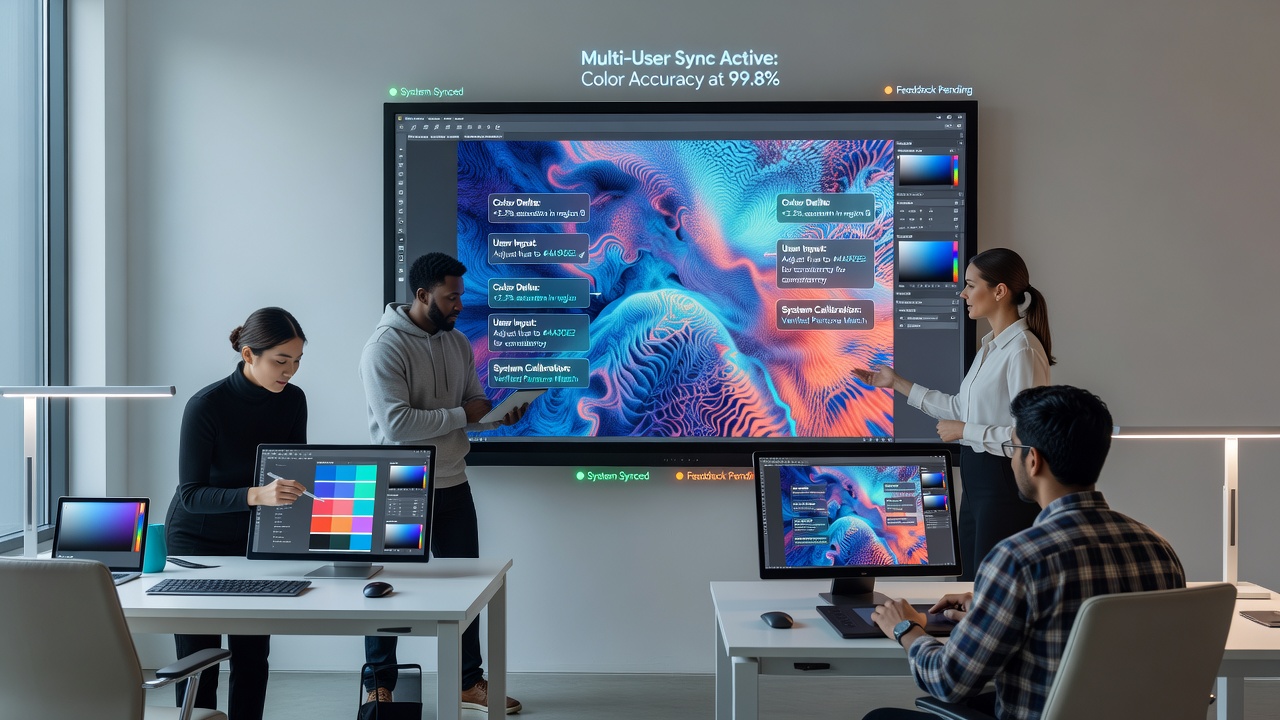
Integrated feedback systems in multi-user digital canvas environments rely on continuous data exchange between devices and software layers to maintain consistent color representation across participants. These setups process input from color sensors, display profiles, and network latency measurements while adjusting outputs in real time. Data from collaborative platforms shows that such systems reduce color variance by up to 40 percent in sessions involving five or more simultaneous users, according to reports from research institutions focused on visual computing.
Color accuracy here depends on synchronized color management protocols that account for differences in hardware calibration and ambient lighting conditions. When multiple users contribute to the same canvas, each device transmits its current color space data through the central server, which then applies corrections based on predefined reference profiles. Studies conducted at European universities have documented how these loops prevent drift that would otherwise occur during extended editing periods.
Core Components of Feedback Mechanisms
Feedback mechanisms operate through several interconnected layers that include sensor input collection, algorithmic comparison, and output modulation. Device-level sensors capture chromaticity values at regular intervals, while the system compares them against a shared reference standard maintained on the server. Adjustments occur via gamma curve modifications and white point shifts that align individual displays without interrupting workflow continuity. Industry reports from Australian digital media groups indicate that these adjustments happen in under 50 milliseconds on average, preserving the illusion of simultaneous editing.
Network protocols play a supporting role by prioritizing color metadata packets over less critical data streams. This prioritization ensures that calibration updates reach all participants before noticeable discrepancies appear. Researchers at North American technical institutes have measured packet delivery reliability rates exceeding 98 percent in controlled tests of similar systems deployed in design studios.
Handling Device Variability Across Users
Users often connect through displays with varying color gamuts and bit depths, which creates inherent challenges for consistency. Integrated feedback addresses this by generating individualized correction matrices derived from each device's ICC profile. The server aggregates these matrices and distributes unified transformation instructions that reconcile differences while preserving original artistic intent. Observations from collaborative software deployments show that teams using these methods complete projects with fewer revision cycles compared to setups relying on manual checks.
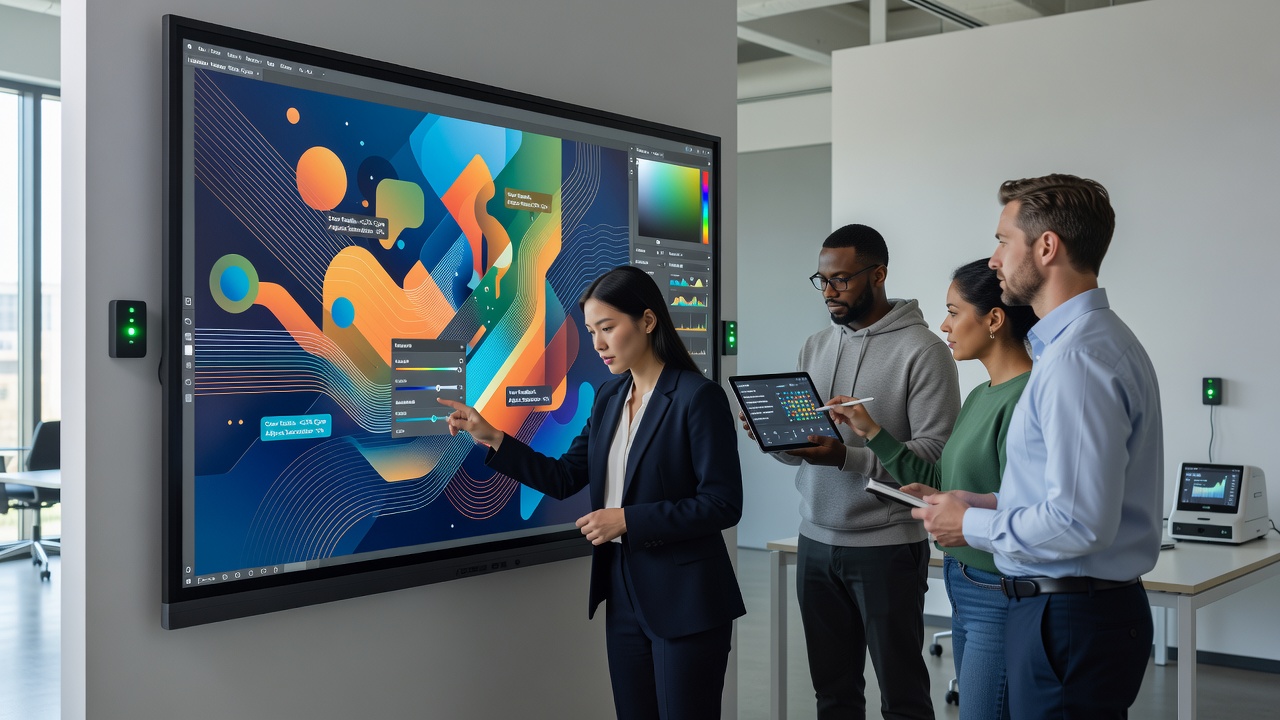
September 2026 marks the scheduled release of updated calibration standards from an international consortium of display manufacturers, which will incorporate new metrics for dynamic feedback in shared environments. These standards aim to standardize latency thresholds and color delta tolerances across platforms. Early documentation released by the consortium outlines testing procedures that involve synchronized multi-device arrays under varied lighting scenarios.
Algorithmic Approaches to Real-Time Correction
Algorithms powering these systems employ predictive modeling to anticipate color shifts before they become visible. Machine learning models trained on historical session data identify patterns in user interaction that correlate with drift, then preemptively apply micro-adjustments. Data collected from professional studios indicates that predictive elements cut the frequency of visible corrections by roughly 30 percent. The models also factor in environmental variables such as room temperature changes that affect display performance over time.
Integration with external reference tools further strengthens accuracy. Some environments link directly to hardware colorimeters positioned near user stations, feeding live readings back into the loop. This hybrid approach combines software-based profile management with physical verification, yielding tighter tolerances in high-stakes projects like brand asset development.
Scalability in Larger Collaborative Sessions
As participant numbers increase, feedback systems scale through distributed processing nodes that handle subsets of the user group. Each node maintains a local reference copy updated from the primary server, reducing central bottlenecks. Performance metrics from large-scale deployments reveal stable color alignment even when session sizes exceed twenty concurrent editors. Bandwidth optimization techniques, including delta encoding of color changes, keep data overhead manageable during peak activity.
Security considerations enter the picture when color data travels across networks. Encrypted channels protect proprietary palettes and calibration details from interception. Compliance frameworks from regulatory bodies in Canada emphasize audit trails for any system handling shared creative assets, ensuring traceability of all feedback-driven modifications.
Conclusion
Integrated feedback systems deliver measurable improvements in color fidelity for multi-user digital canvases through layered data processing and device-specific corrections. Evidence from multiple research sources confirms their effectiveness across varying hardware configurations and session scales. Continued development tied to events such as the 2026 standards update will likely refine these capabilities further while maintaining compatibility with existing workflows.